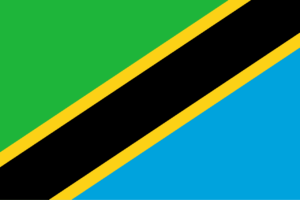

Embarking on your career journey after graduation is an exciting yet daunting endeavor, particularly if you’re starting in a new country like Tanzania. With its vibrant economy and diverse industries, Tanzania offers numerous opportunities for recent graduates. However, navigating this landscape requires careful planning and strategic action. In this comprehensive guide, we’ll explore how to start your career in Tanzania, from understanding job opportunities to building a strong professional network.
Understanding the Job Market in Tanzania
Tanzania’s economy is primarily driven by agriculture, manufacturing, and services. The country has been experiencing steady growth, which translates into job creation across various sectors. According to the World Bank, Tanzania’s GDP growth rate was 6.4% in 2021, indicating a promising job market for graduates.
Key Sectors for Graduates
- Agriculture: With agriculture contributing significantly to Tanzania’s GDP, there are ample opportunities for graduates in crop production, livestock management, and agribusiness.
- Manufacturing: The manufacturing sector is expanding, offering roles in food processing, textiles, and pharmaceuticals.
- Services: The service industry, including tourism, finance, and information technology, is rapidly growing, providing diverse career paths.
- Education: Tanzania faces a shortage of qualified educators, making teaching a rewarding career option.
- Healthcare: The healthcare sector needs professionals in medicine, nursing, and public health to address the country’s health challenges.
Preparing for the Job Hunt
To secure a job in Tanzania, it’s crucial to prepare thoroughly. Here are some steps to help you get started:
Update Your Resume
Your resume is your first impression on potential employers. Tailor it to highlight skills relevant to the Tanzanian job market. Include internships, volunteer work, and any projects that demonstrate your abilities.
Master Your Cover Letter
A compelling cover letter can set you apart from other candidates. Customize it for each application, showing how your skills and experiences align with the job requirements.
Prepare for Interviews
Research the companies you’re applying to and practice common interview questions. Be ready to discuss your strengths, weaknesses, and career goals.
Networking Strategies
Building a professional network is vital for finding job opportunities. Here are some effective networking strategies:
Attend Industry Events
Participate in conferences, seminars, and workshops related to your field. These events provide excellent opportunities to meet industry professionals and learn about job openings.
Join Professional Associations
Become a member of organizations relevant to your career. These associations often offer resources, networking events, and job boards.
Leverage Social Media
Connect with professionals on LinkedIn and engage in industry discussions. Sharing your expertise and staying active can increase your visibility.
Developing Essential Skills
In addition to technical skills, employers value soft skills such as communication, teamwork, and problem-solving. Here are some skills to focus on:
Language Proficiency
English is widely spoken in Tanzania, but proficiency in Swahili can be advantageous, especially in rural areas. Consider taking language courses to enhance your communication skills.
Adaptability
The ability to adapt to new environments and cultures is crucial in Tanzania. Embrace diversity and be open to learning from different perspectives.
Technical Skills
Depending on your field, acquiring specific technical skills can make you more attractive to employers. For example, IT professionals should stay updated with the latest software and technologies.
Frequently Asked Questions
What are the most in-demand jobs in Tanzania?
The most in-demand jobs in Tanzania include positions in healthcare, education, agriculture, and IT. These sectors are experiencing significant growth and require skilled professionals.
How can I find job openings in Tanzania?
You can find job openings through local newspapers, recruitment agencies, and professional networks. Additionally, attending industry events and joining relevant associations can provide access to job opportunities.
What are the key cultural differences I should be aware of in Tanzania?
Tanzania has a rich cultural heritage with diverse traditions. It’s important to respect local customs, dress modestly, and be mindful of social norms. Learning basic Swahili phrases can also help bridge cultural gaps.
Conclusion
Starting your career in Tanzania is an exciting adventure filled with opportunities. By understanding the job market, preparing for the job hunt, building a strong network, and developing essential skills, you can position yourself for success. Remember, persistence and adaptability are key to thriving in a new environment. For more insights into job opportunities and career development in Tanzania, visit TanzaniaJobSearch.com.
Explore other career opportunities in neighboring countries like Tunisia by visiting TunisiaJobSearch.com.