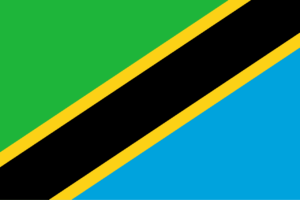

Embarking on a career in Human Resources (HR) can be both rewarding and challenging. For professionals looking to build their careers in Tanzania, understanding the landscape of HR jobs is crucial. This guide will provide you with insights into various HR roles, the qualifications needed, salary expectations, and strategies for career advancement. Whether you’re a seasoned HR professional or just starting out, this information will help you navigate the dynamic world of HR in Tanzania.
Understanding the Role of Human Resources in Tanzania
In Tanzania, the role of Human Resources encompasses a wide range of responsibilities aimed at managing the workforce effectively. HR professionals are involved in recruitment, employee training and development, payroll management, benefits administration, and ensuring compliance with labor laws. The sector is growing as more companies recognize the importance of having a skilled HR team to manage their human capital efficiently.
Key Responsibilities of HR Professionals in Tanzania
- Recruitment: Sourcing and hiring the right talent for open positions.
- Training and Development: Designing and implementing programs to enhance employee skills and knowledge.
- Payroll Management: Processing salaries and benefits accurately and on time.
- Benefits Administration: Managing health insurance, retirement plans, and other employee benefits.
- Labor Law Compliance: Ensuring adherence to local and international labor laws.
Qualifications and Skills Required for HR Jobs in Tanzania
To excel in HR roles in Tanzania, it’s essential to have the right qualifications and skills. While formal education is beneficial, practical experience and continuous learning are equally important.
Educational Requirements
A bachelor’s degree in Human Resources, Business Administration, or a related field is typically required for entry-level HR positions. Many employers prefer candidates with a master’s degree, especially for senior roles. Certifications such as Certified Human Resource Professional (CHRP) or Chartered Institute of Personnel and Development (CIPD) can also enhance your credentials.
Key Skills
- Communication: Effective verbal and written communication skills are crucial for interacting with employees and stakeholders.
- Leadership: Strong leadership abilities to motivate and inspire teams.
- Problem Solving: Ability to identify and resolve issues promptly and efficiently.
- Organizational Skills: Excellent organizational skills to manage multiple tasks and projects simultaneously.
- Emotional Intelligence: High emotional intelligence to understand and manage emotions in the workplace.
Exploring Different HR Roles in Tanzania
The HR sector in Tanzania offers a variety of roles, each with unique responsibilities and challenges. Here are some of the most common HR positions:
Recruitment Specialist
Recruitment specialists are responsible for sourcing and hiring new employees. They develop job descriptions, advertise job openings, screen resumes, conduct interviews, and coordinate the onboarding process. This role requires strong communication skills and a deep understanding of the recruitment process.
Training and Development Coordinator
Training and development coordinators design and implement training programs to enhance employee skills and knowledge. They assess training needs, develop course materials, deliver training sessions, and evaluate program effectiveness. This role demands creativity and a passion for learning and development.
Compensation and Benefits Manager
Compensation and benefits managers oversee the design and implementation of compensation packages and benefits programs. They conduct market research, analyze salary data, negotiate contracts, and ensure compliance with labor laws. This role requires strong analytical skills and attention to detail.
Salary Expectations for HR Jobs in Tanzania
Salary expectations for HR jobs in Tanzania vary based on factors such as experience, qualifications, and location. According to recent surveys, the average salary for an entry-level HR officer ranges from TZS 5,000,000 to TZS 8,000,000 per month. Mid-level HR managers can earn between TZS 10,000,000 and TZS 15,000,000 per month, while senior HR directors may earn up to TZS 20,000,000 or more per month.
Career Advancement Strategies for HR Professionals in Tanzania
To advance your career in HR in Tanzania, consider the following strategies:
Continuous Learning
Pursue additional education and certifications to stay current with industry trends and best practices. Continuous learning demonstrates your commitment to professional growth and enhances your value to employers.
Networking
Build relationships with other HR professionals through networking events, conferences, and online communities. Networking can lead to job opportunities, mentorship, and valuable insights into the industry.
Specialization
Consider specializing in a specific area of HR, such as recruitment, training and development, or compensation and benefits. Specialization can make you a subject matter expert and increase your job prospects.
Leadership Experience
Seek opportunities to take on leadership roles within your organization. Leadership experience can demonstrate your ability to manage teams and drive results, making you a more attractive candidate for senior positions.
Frequently Asked Questions (FAQ)
What are the most in-demand HR roles in Tanzania?
The most in-demand HR roles in Tanzania include Recruitment Specialist, Training and Development Coordinator, Compensation and Benefits Manager, and HR Generalist. These roles are critical to the success of organizations and require specialized skills and knowledge.
How can I prepare for an HR interview in Tanzania?
To prepare for an HR interview in Tanzania, research the company and the role thoroughly. Practice answering common interview questions, showcase your relevant experience and skills, and demonstrate your enthusiasm for the position. Be prepared to discuss your approach to HR challenges and how you can contribute to the organization.
What are the key differences between HR in Tanzania and other countries?
While the core principles of HR are similar worldwide, there are some differences in practice due to varying labor laws, cultural norms, and business environments. In Tanzania, HR professionals must be familiar with local labor laws and regulations, understand the cultural nuances of the workforce, and adapt to the unique business landscape.
Conclusion
A career in Human Resources in Tanzania offers exciting opportunities for those passionate about managing and developing people. By understanding the roles, qualifications, and salary expectations, and by implementing career advancement strategies, you can build a successful and fulfilling career in HR. For more information on job opportunities and resources, visit TanzaniaJobSearch.com. Start your journey today and make a positive impact in the lives of others.
For those interested in exploring job opportunities in neighboring countries, check out EthiopiaJobsSearch.com for a wider range of career options.